Pediatrics
Michael Tran, BSN, RN
Medical Student, MS4
The University of Texas Rio Grande Valley School of Medicine
Harlingen, Texas, United States
Dianna H. Nguyen, DO, PhD
Resident Physician, PGY-2
UTHealth Houston PM&R
Houston, Texas, United States
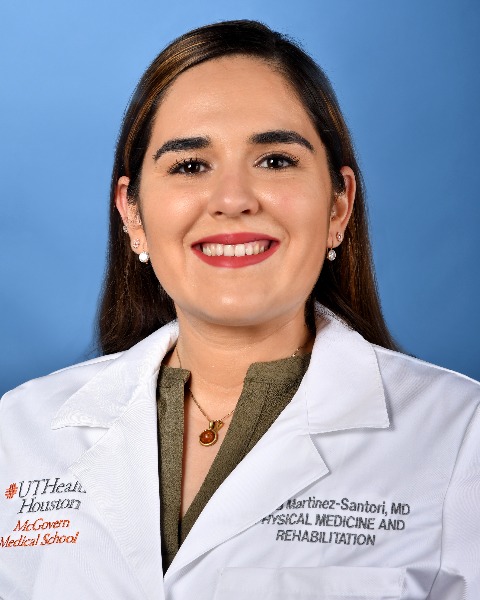
Mara Martinez Santori, MD, MS
Resident Physician, PGY-4
UT Health Houston Department of Physical Medicine and Rehabilitation
Houston, Texas, United States
Simra Javaid, DO
Assistant Professor
UTHealth Houston/TIRR Memorial Hermann
Pearland, Texas, United States
Michael Tran, RN
The University of Texas Rio Grande Valley School of Medicine
Harlingen, Texas, United States
Guillain-Barré syndrome (GBS) is an acute, immune-mediated polyradiculoneuropathy typically occurring sporadically following infection. Familial GBS is rare, with fewer than 3% of cases showing clustering within families. This case presents two previously healthy siblings, diagnosed with GBS before age three, whose clinical presentations differed in severity, distribution of weakness, and recovery trajectory. Both had preceding exposure to viral illnesses, positive workup with cerebrospinal fluid (CSF) showing albuminocytologic dissociation, and cauda equina nerve root enhancement on neuroimaging.
Case Description:
Sibling “A,” 2-year-old male, developed bilateral lower extremity (BLE) pain one week after a rhinovirus/enterovirus infection. He had absent patellar and ankle reflexes, pain-limited knee extension, and an inability to ambulate. Sibling “B”, 2-year-old female, presented two years earlier with acute refusal to walk and BLE pain following a nonspecific viral exposure. Her weakness was more diffuse, with upper extremity involvement. Workup initially unremarkable, but repeat testing showed positive CSF and neuroimaging. Nerve conduction studies revealed severe demyelinating neuropathy. Both received intravenous immunoglobulin; “A” had a two-day course, and “B” required two cycles. “A” completed three weeks of inpatient rehabilitation (IPR) and was discharged with BLE bracing for contracture prevention. “B” required a six-week IPR course and was discharged with orthotics, a gait trainer, and a wheelchair. On follow-up, “A” progressed quickly toward age-appropriate mobility, while “B” had prolonged pain and recovered ambulatory independence more gradually.
Discussions: These siblings highlight the rarity of familial GBS in Caucasian children, with both presenting at the same age but differing in prodrome, severity, and rehabilitation course. Their cases underscore the potential genetic contribution to disease susceptibility, prompting questions of how genetics may shape disease course, recovery, and pain burden in GBS.
Conclusions: These cases of pediatric GBS illustrate both similarities and differences in disease presentation and highlight the importance of considering genetic susceptibility in early-onset GBS, particularly in siblings.